

Cervical radiculopathy occurs when a nerve root in the neck is compressed or irritated, causing pain, numbness, tingling, or weakness in the shoulder, arm, or hand. Most cases improve with nonsurgical treatment. If symptoms persist, surgery may be considered. The two main anterior surgical options are ACDF, which removes the source of nerve compression and fuses the affected vertebrae, and cervical disc arthroplasty (CDA), which replaces the damaged disc with an artificial disc to preserve motion.
Quick Answer
- A pinched nerve in the neck affects about 107 per 100,000 men and 63 per 100,000 women per year. It is most common in adults ages 30 to 50.
- Surgery is considered when symptoms persist despite about 6 weeks of appropriate nonsurgical care, when weakness is worsening, or when severe arm pain remains disabling and is refractory to conservative management.
- ACDF remains the most commonly performed surgery for cervical radiculopathy.
- Cervical disc arthroplasty (CDA) replaces the damaged disc with an artificial disc to preserve motion. It is best suited for a select few patients based on different factors.
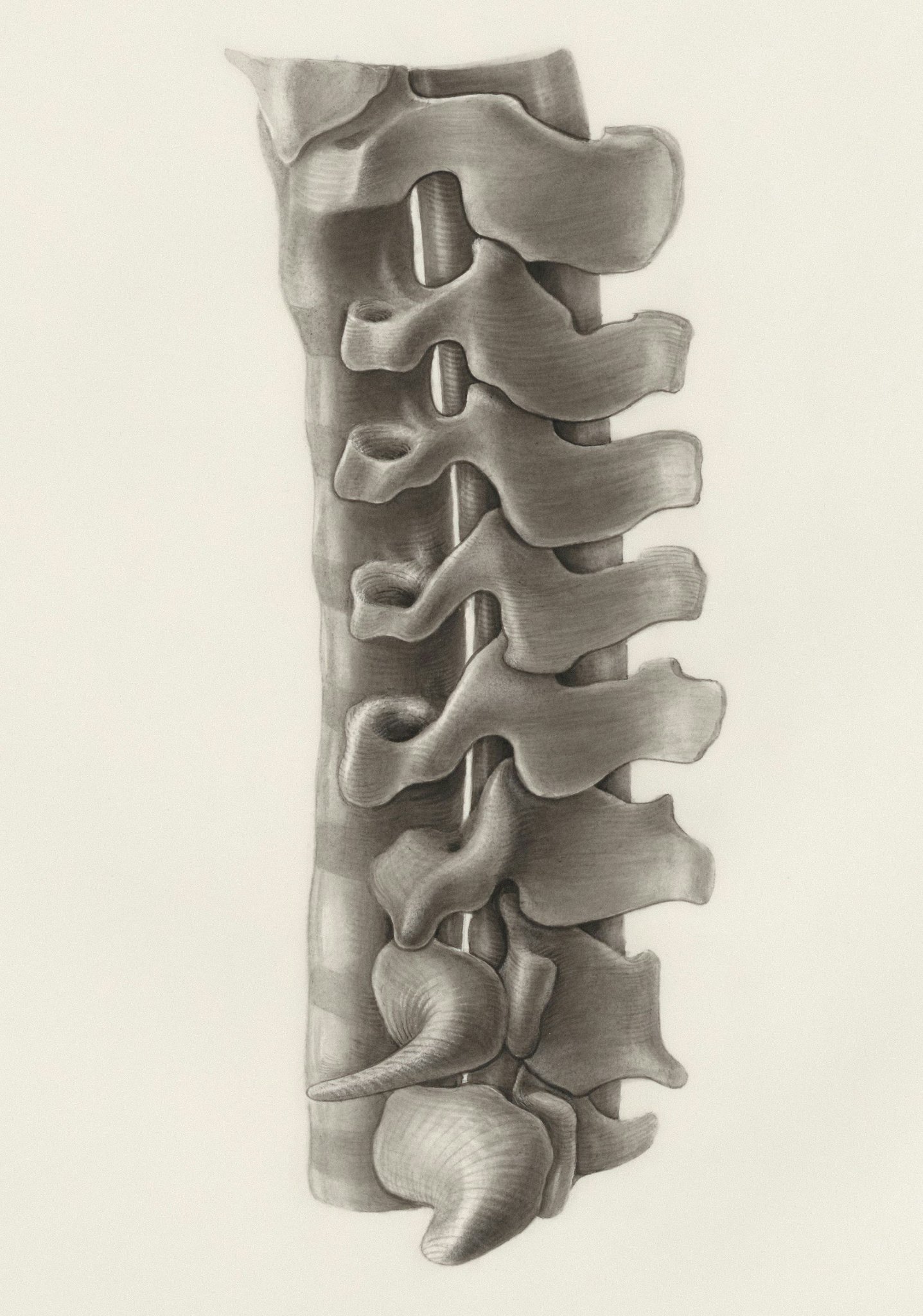
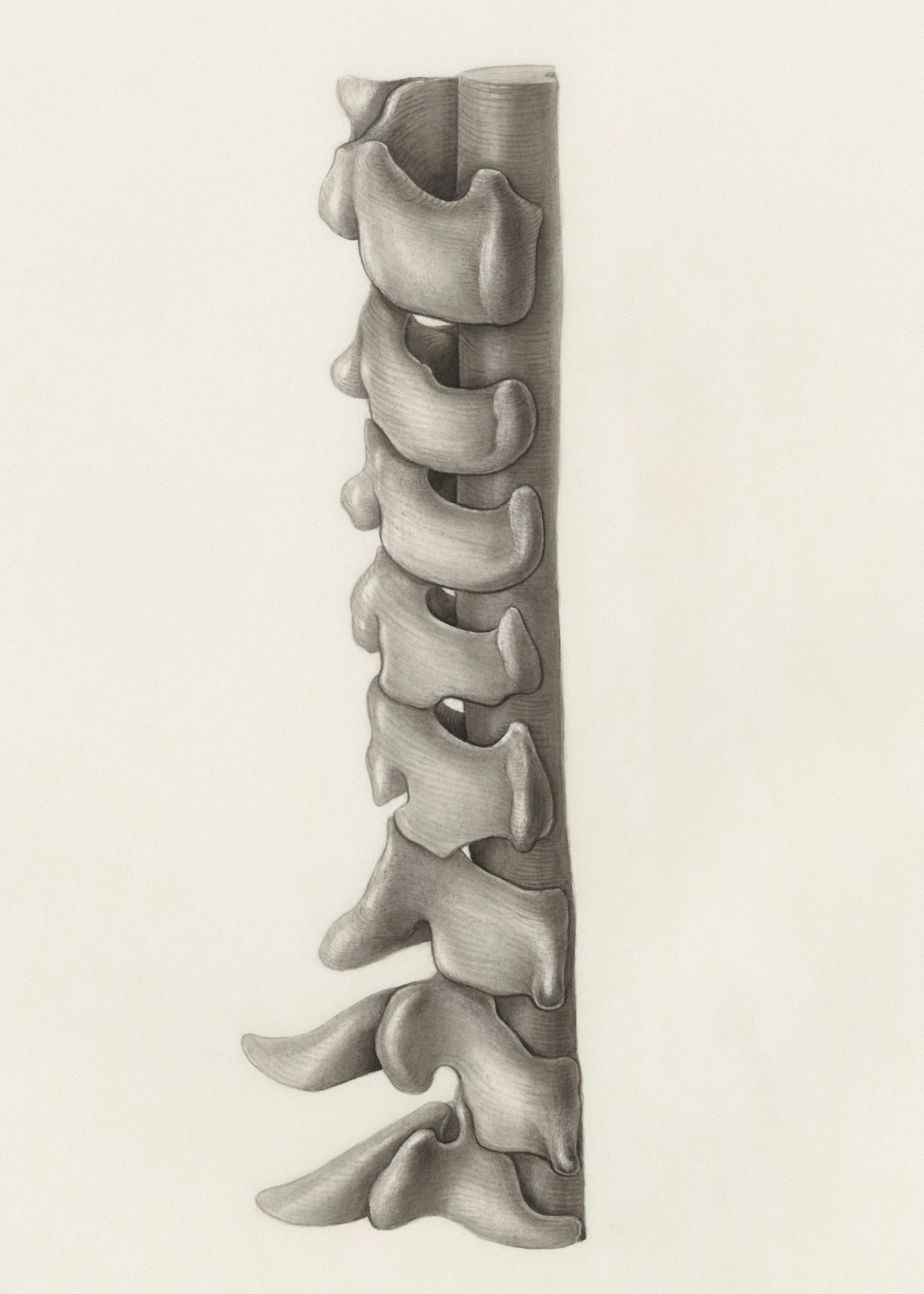
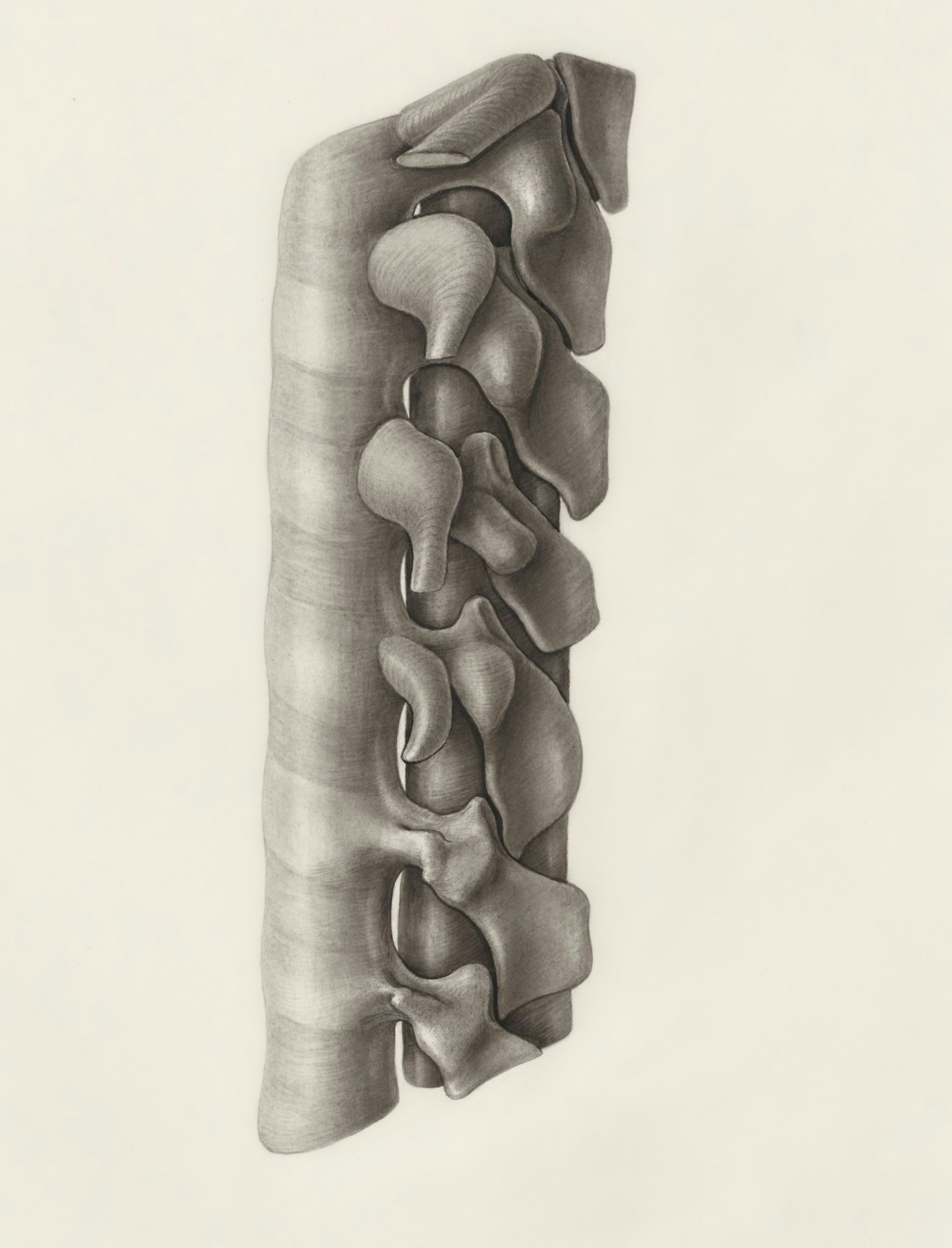
What is cervical radiculopathy, and how is it different from cervical myelopathy?
Cervical radiculopathy occurs when a nerve root in the neck is compressed or irritated, causing pain, tingling, numbness, or weakness in a specific pattern in the arm or hand (dermatome or myotome). Cervical myelopathy results from spinal cord compression and may cause hand clumsiness, balance problems, and difficulty walking. Myelopathy requires prompt medical evaluation and may need earlier surgery to prevent worsening spinal cord damage.
- Compression or irritation of one or more nerve roots causes arm pain, tingling, numbness, or weakness, often in a specific nerve distribution.
- Spinal cord compression can affect hand function, arm and leg strength, balance, and walking; symptoms do not necessarily involve the whole body.
- Disc herniation is common in younger adults, while age-related degeneration—including bone spurs and facet or uncovertebral joint arthritis—is more common in older adults.
- Hand clumsiness, difficulty buttoning clothes, dropping objects, unsteady walking, or bowel or bladder dysfunction may indicate spinal cord involvement.
- Suspected myelopathy or progressive neurological weakness requires prompt evaluation. Stable radiculopathy can often initially be managed nonsurgically with close follow-up.
The two problems can show up together, especially in older adults. A careful exam tells your doctor whether your symptoms come only from a pinched nerve or also involve the spinal cord. Knowing which problem you have shapes the timing of treatment.
Which nerve root is pinched, and how do symptoms map to the level?
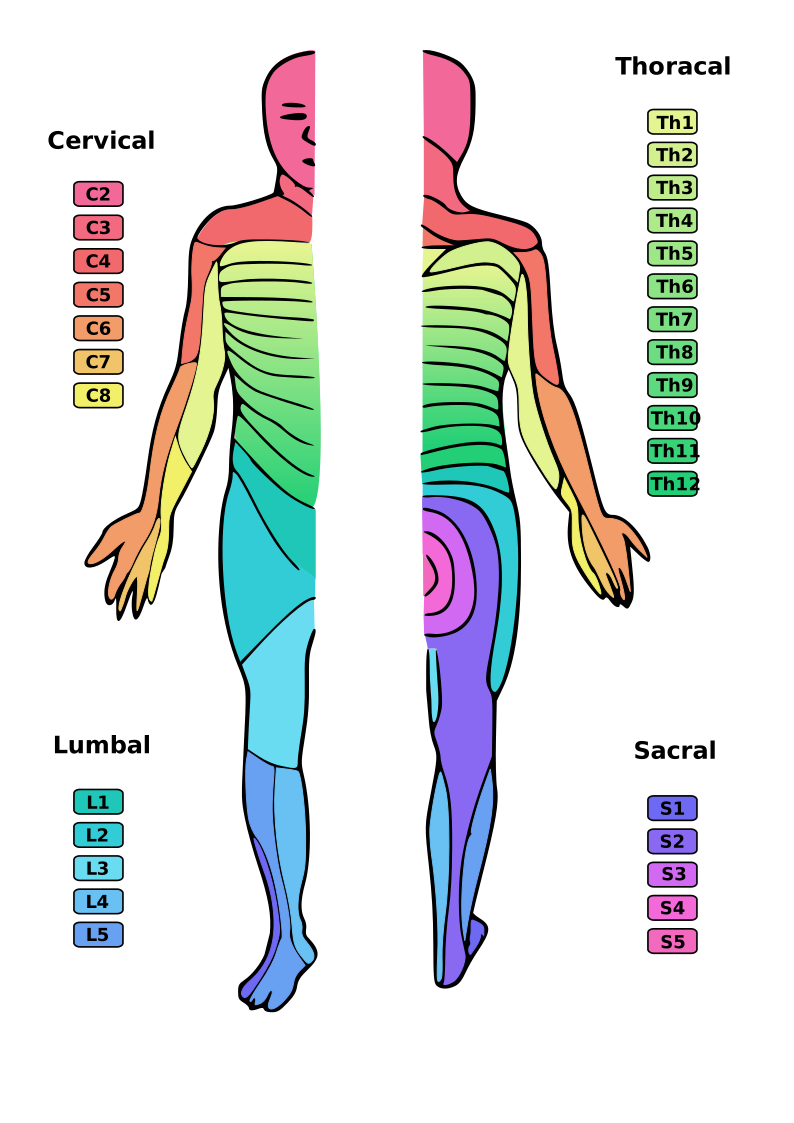
Symptoms from a pinched cervical nerve follow a predictable pattern based on the affected nerve root. The location of arm pain, areas of numbness or tingling, muscle weakness, and changes in reflexes help identify the affected nerve root on a dermatomal map. Matching these findings with the MRI allows your doctor to determine whether the scan shows the true source of your symptoms.
Cadaver studies show that skin and muscle maps shift from person to person. The standard maps are guides, not strict rules. Your symptoms and MRI need to match — many people have disc changes on MRI that cause no pain.
How is cervical radiculopathy diagnosed?
Cervical radiculopathy is diagnosed mainly through a careful history and neurological examination. Your doctor looks at the pattern of arm pain, numbness, weakness, and reflex changes to determine whether a specific cervical nerve root is being irritated or compressed. MRI is used to confirm the cause when symptoms persist, neurological deficits are present, or surgery is being considered.
During the evaluation, your doctor will ask about:
- The location and pattern of arm pain or tingling.
- When symptoms started and how they have changed over time.
- Weakness, loss of coordination, or any warning signs.
The physical exam evaluates:
- Muscle strength in specific nerve patterns.
- Skin sensation.
- Movements or positions that reproduce symptoms.
MRI is the preferred imaging study because it shows discs, nerve roots, and areas of compression. However, MRI findings must match the patient's symptoms and examination because degenerative changes are common even in people without pain. Additional tests may include:
- EMG and nerve conduction studies: Used when the diagnosis is uncertain or when MRI findings do not clearly match the clinical picture.
- X-rays, including flexion–extension views: Used to assess alignment, instability, arthritis, or changes after previous surgery.
What conservative treatments work, and how long should they be tried?
Most people with a pinched nerve in the neck (cervical radiculopathy) improve without surgery. A structured trial of nonoperative care for at least 6 weeks is usually recommended unless there is progressive weakness, signs of spinal cord involvement, or severe persistent pain. Many patients improve with conservative management. Non-surgical treatment may include:
- Physical therapy: A guided program focused on neck posture, cervical mobility, and strengthening of the neck and shoulder blade muscles is the foundation of treatment.
- Medications: Anti-inflammatory medications (NSAIDs) and, in selected cases, a short course of oral steroids may reduce inflammation and help control arm pain.
- Spinal injections: These may be considered when pain remains severe despite medications and therapy, especially when symptoms interfere with sleep, work, or daily activities.
- Adjunctive treatments: Cervical traction and TENS may provide additional symptom relief for some patients when used as part of a broader rehabilitation plan.
When is surgery indicated, and what are the two main anterior options?
Surgery for cervical radiculopathy is considered when symptoms do not improve after about 6 weeks of structured nonoperative care, when arm weakness is worsening, when severe arm pain remains disabling. Surgery is also indicated when signs of spinal cord compression (myelopathy) develop. The two main surgeries performed through the front of the neck are:
- Anterior cervical discectomy and fusion (ACDF): The surgeon removes the damaged disc and any bone spurs compressing the nerve, then restores the disc space with an implant and bone graft to create a fusion between the vertebrae. A plate and screws are often used for stability. ACDF remains the most established surgical option for cervical radiculopathy, with high rates of successful fusion and symptom improvement.
- Cervical disc arthroplasty (CDA): Using the same anterior approach, the surgeon removes the damaged disc and decompresses the nerve but replaces the disc with an artificial implant instead of fusing the bones. The goal is to preserve motion at the treated level and potentially reduce stress on nearby segments.
Both procedures are typically performed through a small incision in the front of the neck and often involve an overnight stay. For selected patients with isolated nerve compression from foraminal narrowing, a posterior cervical foraminotomy (performed from the back of the neck) may also be an option because it decompresses the nerve without requiring fusion.
How should a patient think about ACDF versus cervical disc replacement?
For appropriately selected patients with one or two levels of cervical disc disease, cervical disc arthroplasty (CDA) provides outcomes comparable to or sometimes better than anterior cervical discectomy and fusion (ACDF). Long-term studies suggest CDA may reduce repeat surgery at adjacent levels. ACDF remains suitable for a broader range of patients, particularly those with anatomy unsuitable for disc replacement. Advanced facet arthritis, instability, poor bone quality, significant deformity, or severe degeneration may favor fusion. The choice should be individualized based on anatomy, symptoms, and long-term goals.
| Feature | ACDF | Cervical Disc Arthroplasty (CDA) |
|---|---|---|
| Goal | Fuses the vertebrae together, eliminating motion at the treated level. | Preserves motion at the treated level by replacing the damaged disc with an artificial implant. |
| Best fit | Multilevel disease, significant facet joint arthritis, cervical kyphosis (forward curvature), spinal instability, other anatomical issues | One or two adjacent levels of disease, preserved facet joints, good alignment, stable spine, and no major deformity. |
| Levels treated (typical) | 1 to 4, with some limits | 1 to 2, FDA-approved |
| Motion at the treated level | Eliminated because vertebrae are fused at level of surgery | Motion is maintained |
| Typical recovery | Similar early recovery timeline, but it takes longer for the fusion to heal and for the neck to regain strength and function | Similar early recovery; slightly faster return-to-motion in published studies |
Repeat surgery numbers come from the Mobi-C 7-year FDA IDE follow-up (Radcliff et al. PMC5779239).
What does recovery look like, and how do patients decide?
Recovery from both ACDF and CDA usually means same-day discharge or one night in the hospital, a gradual return to work depending on your job, and a clear rehab plan. The choice is best made in a real conversation that weighs your MRI, level count, job demands, age, and surgeon experience.
Recovery after ACDF and cervical disc replacement (CDA) is often similar in the early stages. Most patients go home after one night, return to desk work, and gradually resume more demanding activities based on their job requirements and individual recovery.
Recovery after ACDF may take longer overall because the fusion must heal and the treated bones need time to become solidly united. CDA patients do not require fusion healing, but both procedures require a gradual return to activity and follow-up care to ensure the best outcome.
Next Steps
If you think you may have a pinched nerve in your neck, the evaluation process comprises the following:
- Track your symptoms, including where pain travels, how long they have been present, and any numbness, weakness, or signs of spinal cord involvement.
- See your primary care doctor or a spine-trained provider for a focused nerve and muscle examination.
- Begin structured non-surgical care, typically including physical therapy and medications such as NSAIDs. If pain remains severe or limits sleep and activity, discuss whether a steroid injection is appropriate.
- Obtain a cervical MRI if symptoms persist beyond about 6 weeks, or sooner if weakness is progressing or concerning neurological findings appear.
- If surgery is being considered, a spine surgeon can review your imaging and determine whether ACDF or cervical disc replacement is appropriate based on your anatomy, symptoms, and goals.
For patients in California’s Central Valley, consultation with a fellowship-trained spine surgeon in Clovis can provide comprehensive evaluation, imaging review, second opinions, and individualized surgical planning close to home. The choice between cervical disc arthroplasty and ACDF depends on several factors, including the number of affected levels, facet joint health, spinal alignment, occupational demands, and the patient’s goals and preferences.
Disclaimer: This article is for educational purposes only and does not constitute medical advice. Consult a qualified spine specialist for evaluation and diagnosis of your specific symptoms.

Medically reviewed by
Samia Ghaffar, MD
Board-Certified Orthopaedic Spine Surgeon