
Spine Conditions

A Guide to the Most Common Conditions of the Neck, Mid-Back, and Lower Back
Medically reviewed by Samia Ghaffar, MD · Board-Certified Orthopaedic Spine Surgeon · Program Director, UCSF Fresno Orthopaedic Surgery Residency · Last reviewed: November 3, 2026
OVERVIEW
Understanding Your Spinal Health
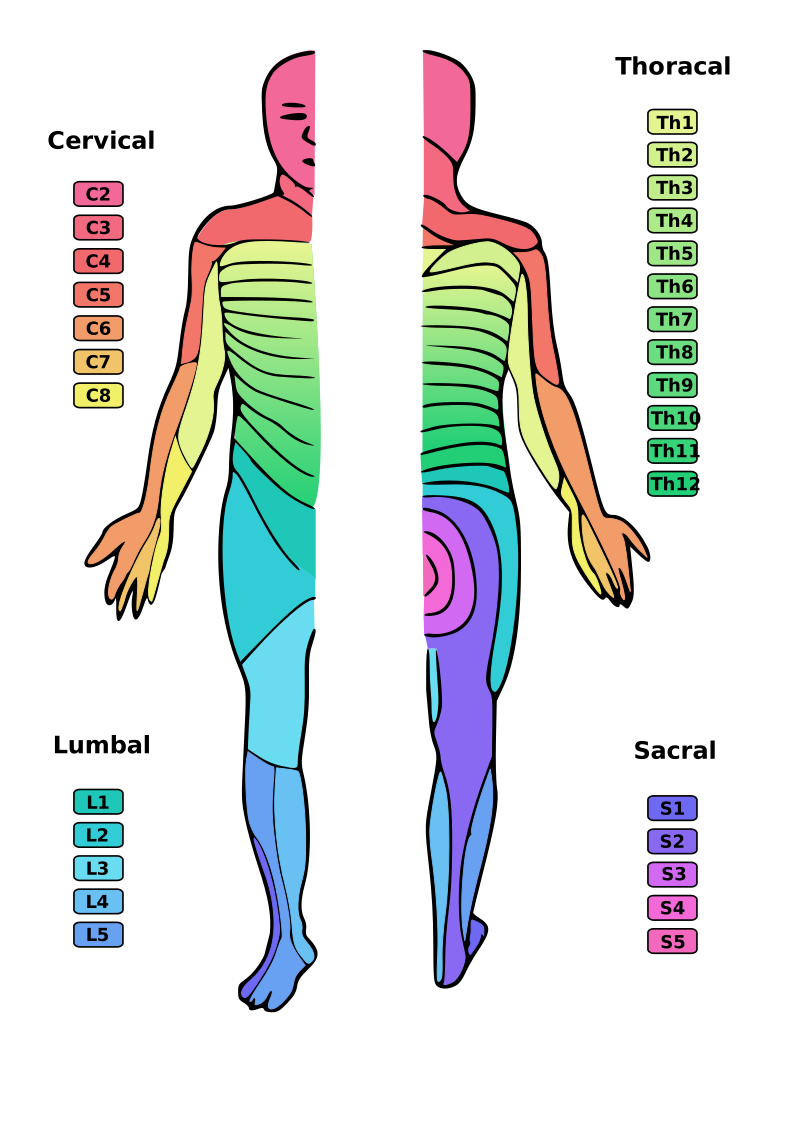
Spine conditions usually fall into one of three regions: the cervical spine (neck), the thoracic spine (mid-back), or the lumbar spine (lower back). Each region has its own anatomy and its own common conditions. Symptoms typically point toward the region first and the specific condition second.
At Ghaffar Spine, our philosophy is simple. Every treatment recommendation begins with the same principle: operate only when surgery offers a clear benefit. Most patients improve with non-surgical treatment, and surgery is recommended only when symptoms, physical examination findings, and imaging all support it—or when conservative treatment has not provided adequate relief.
Browse by Region
Find by region
The first step in evaluating a spine condition is identifying which region of the spine is responsible for the symptoms. The location and pattern of pain, numbness, weakness, or other neurological changes often provide important clues, helping guide the clinical evaluation before imaging studies are obtained.
C1–C7
Cervical spine (neck)
Seven vertebrae (C1 through C7) that support the head and house the upper portion of the spinal cord. Cervical conditions typically produce neck pain plus symptoms in the shoulders, arms, forearms, or hands.
View Cervical ConditionsT1–T12
Thoracic spine (mid-back)
The thoracic spine consists of twelve vertebrae (T1–T12) that articulate with the ribs to form the posterior portion of the rib cage. Compared with the cervical and lumbar regions, the thoracic spine is less mobile and more stable, making symptomatic degenerative conditions less common. When thoracic nerve roots are affected, symptoms may present as band-like pain, numbness, or tingling that wraps around the chest or abdominal wall along the course of the affected nerve.
View Thoracic ConditionsL1–L5
Lumbar spine (lower back)
The lumbar spine consists of five vertebrae (L1–L5) located between the thoracic spine and the sacrum, forming the lower portion of the spinal column. It supports much of the body’s weight while allowing flexibility and movement. Because of the mechanical demands placed on this region, lumbar spine conditions are among the most common causes of back-related symptoms in adults. When lumbar nerve roots become irritated or compressed, symptoms may extend from the lower back into the buttocks, hips, or legs, often causing pain, numbness, tingling, or weakness along the affected nerve pathway.
View Lumbar ConditionsSymptom Guide
Find by symptom pattern
Patients often search by what they feel rather than by clinical name. The table below maps common symptoms to the conditions that most often produce them, with links to the relevant page.
This table is a starting point, not a diagnosis. The same symptom can come from more than one condition, and a careful evaluation is what separates them. Symptoms together with imaging tell the story.
Deep-Dive Pages
Featured condition deep-dives
Three conditions on this site have full deep-dive pages with detailed coverage of anatomy, symptoms, diagnosis, and treatment.
Lumbar Spinal Stenosis
A degenerative narrowing of the lumbar canal that produces leg cramping or heaviness with walking that improves with sitting. One of the most common causes of mobility limitation in older adults.
Read the deep-diveCervical Radiculopathy
A pinched nerve in the neck, producing sharp arm pain, numbness, or weakness in a specific nerve distribution. Most cases improve with conservative care.
Read the deep-diveLumbar Disc Herniation
The most common structural cause of sciatica. A rupture or bulge of a lumbar disc that compresses a nerve root and produces leg pain in a specific distribution.
Read the deep-diveYour Consultation
About the evaluation at Ghaffar Spine
Every consultation begins with a thorough evaluation of your medical history, symptoms, and diagnostic imaging. During your visit, Dr. Ghaffar personally reviews your MRI with you, often using a detailed spine model to clearly explain the source of nerve compression and how it relates to your symptoms. A surgical recommendation is made only when your clinical examination and imaging findings align, ensuring that treatment is guided by both evidence and your individual condition. New patients are welcome through self-referral or referral from their primary care provider. Consultations can be scheduled by phone.
Seeking Care
When to see a spine specialist
Persistent neck, mid-back, or lower back pain should not be accepted as a normal part of life. If your symptoms are affecting your mobility, independence, or quality of life—and have not improved with appropriate conservative treatment—a comprehensive evaluation by a spine specialist may help identify the underlying cause and determine the most appropriate treatment.
Common Questions
Frequently asked questions
A spine surgeon specializes in the diagnosis and treatment of structural conditions affecting the cervical, thoracic, and lumbar spine. These include spinal stenosis, disc herniation, radiculopathy (pinched nerves), myelopathy (spinal cord compression), spondylolisthesis, spinal fractures, and spinal instability. Comprehensive spine care extends beyond surgery. Every patient undergoes a thorough evaluation to determine the most appropriate treatment, with surgical intervention recommended only when it offers the greatest opportunity to relieve symptoms, restore function, and improve quality of life. When surgery is not indicated, patients receive expert guidance on evidence-based non-surgical treatment options and ongoing management.
At Ghaffar Spine, patients can self-refer or be referred by a primary care provider. Some insurance plans require a referral for specialist coverage, so it is worth confirming with the insurance plan before scheduling. Consultations are booked by phone at (559) 940-7077 during business hours.
A spine specialist evaluation is recommended when neck, mid-back, or lower back pain, numbness, or weakness begins to interfere with daily activities and has not improved with appropriate conservative treatment. Assessment is also appropriate when symptoms persist, neurological deficits are progressing, or diagnostic imaging suggests significant nerve or spinal cord compression. Symptoms concerning for spinal cord compression or cauda equina syndrome require immediate medical evaluation usually in the ER.
Bring any imaging studies you have (MRI, CT, X-rays, ideally on disc or USB rather than paper reports), a list of current medications, a brief written timeline of your symptoms, and your insurance information. Imaging review is a central part of every consultation, so having your studies available makes the visit more useful.
Most spine conditions can be effectively managed with conservative treatment, including physical therapy, anti-inflammatory medications, activity modification, and, when appropriate, epidural steroid injections. For many patients, these non-surgical approaches provide meaningful relief and restore function without the need for surgery. Surgical treatment is considered only when symptoms persist despite an appropriate course of conservative care, neurological deficits continue to progress, or diagnostic imaging clearly correlates with the patient's clinical symptoms. An important exception is spinal cord compression, such as cervical or thoracic myelopathy. Timely surgical evaluation is often recommended to help prevent further neurological decline.
Bring your imaging. Bring your questions.
Whether you’re seeking answers about a spinal condition, exploring options after unsuccessful conservative treatment, or considering surgery and want a second opinion, Dr. Ghaffar offers a thoughtful, comprehensive approach to your care.
By carefully reviewing your imaging, understanding your symptoms, and considering your individual goals, he helps you gain a clearer understanding of your condition and the treatment options available to you.
Expert insight. Personalized guidance. Confidence in your next step.